 Midgard Roads
Tile-Laying Board Game Strategy: Scoring Tips for Forts, Roads and Fields
Play now Free · 2–5 players · no download, no sign-up
You know the rules; now you want to win. These tips are based on how Midgard Roads really scores (see the rules guide if you need a refresher). None of this is magic — it is just using the rules well.
How do I score points quickly as a beginner?
Go for small things you can finish soon. A short road or a two-tile fort pays off in a turn or two and, more importantly, your adventurer comes straight back to your hand.
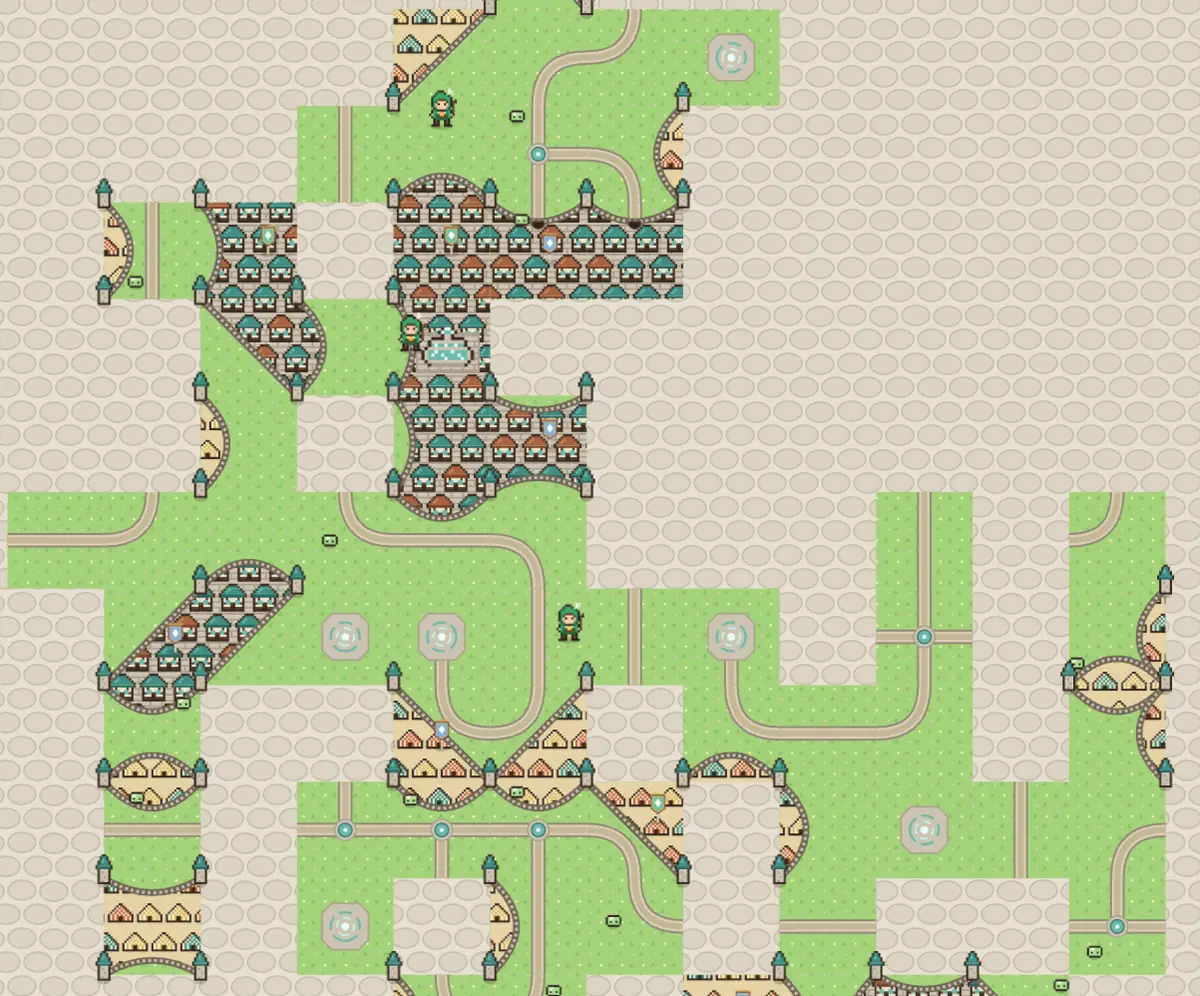
The best version is the one-turn combo: place a tile, put an adventurer on it, and finish the road or fort with that same tile. You score immediately and get the piece back. Everything is "tempo" in this game — an adventurer sitting on a half-built road is an adventurer you cannot use.
How many adventurers should I keep in hand?
Keep 2 or 3 in hand at all times. You have 7 in total. If you are down to one or none, you cannot react when a great spot appears, and you skip step two of your turn automatically.
When should I go for forts?
Forts are the big earners: 2 points per tile plus 2 per guild flag when finished, but only half of that (1 per tile, 1 per flag) if they are still open when the game ends. So:
- A fort with a guild flag is worth a lot — each flag adds as much as an extra tile.
- Don't start a huge fort you cannot close. Count the open edges. If there are many and the pile is running low, it may stay unfinished.
- Early on, small forts are safe points; late in the game, big open forts only score half.
How do I steal a big fort?
You cannot put an adventurer on a fort that already has one — but you can put your adventurer on a separate small fort, then connect the two with a tile. The merged fort now has adventurers from both of you. The one with more adventurers scores the whole fort; if it is tied, both score in full.
With one adventurer each you tie, and both of you score the whole fort. To take it outright you need more adventurers on it than your opponent has. Use the same idea defensively: watch for tiles that would let an opponent join your fort.
Are dungeons worth it?
Yes. A dungeon is easy to place, needs no matching with anything else, and gives 9 points once all 8 tiles around it are filled. Even if it never completes, it scores 1 point plus the number of tiles around it at the end. It is a safe, low-risk place for a priest — but remember your priest is stuck there until it completes.
How do fields work, and when should I send a hunter?
Fields only score at the end of the game: 3 points for every finished fort that touches the field. Roads and fort walls cut the board into separate fields, so one fort can touch several of them (it counts once per field).
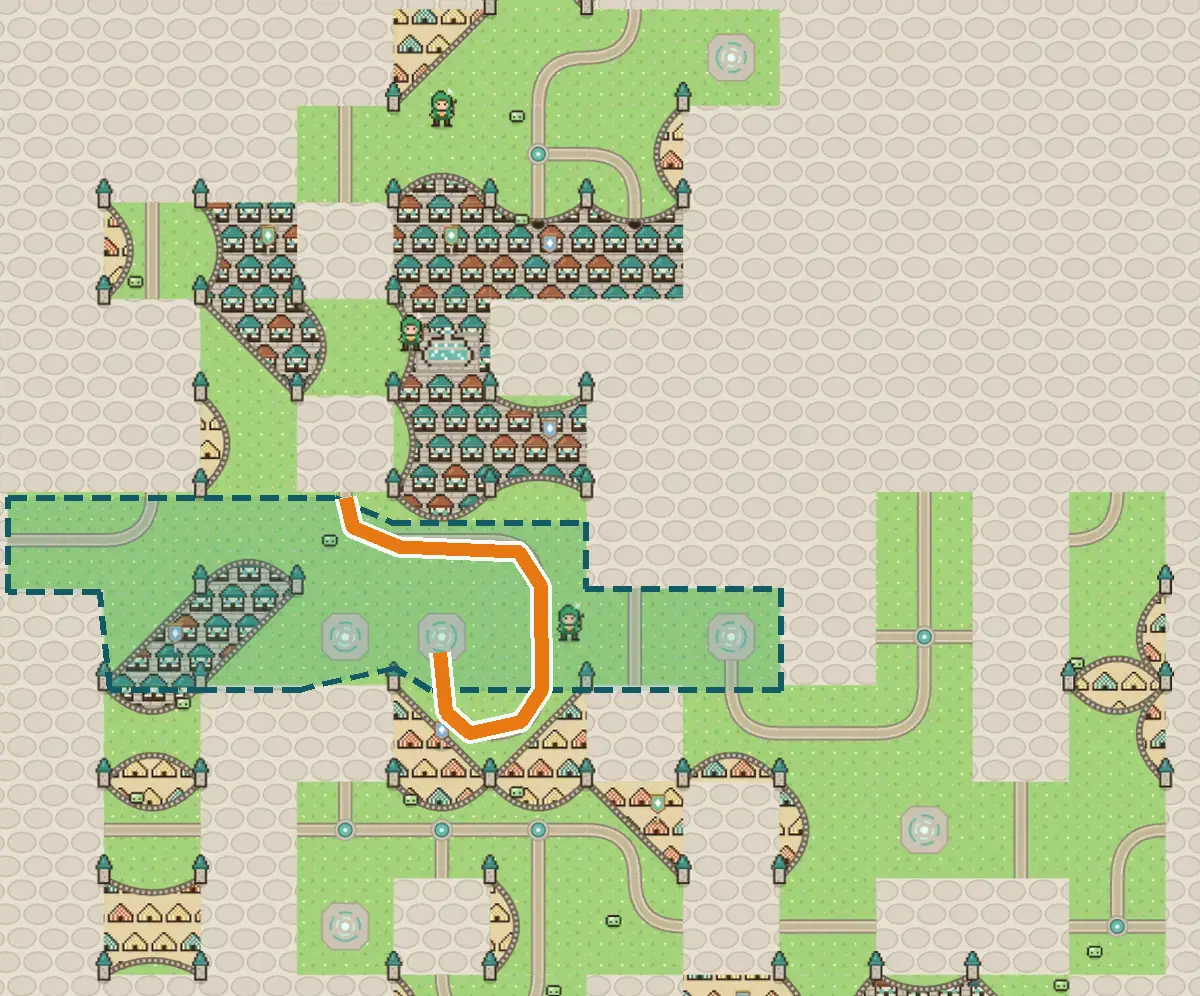
- A hunter never comes back to your hand until the game ends. That is a real cost: it is one fewer adventurer for the rest of the game.
- Send a hunter into a field that touches several forts, especially around the middle of the game.
- A field with no finished forts next to it scores nothing — avoid it.
When is it better not to place an adventurer?
- When you are down to your last two or three pieces and the spot is not great.
- When the feature is huge and open, and you have no way to close it.
- When an opponent already has more adventurers on the connected stretch — you would just feed them points. (Unless you plan to out-number them by connecting more later.)
- When a hunter would have to sit in a field that touches no finished fort.
Tapping Skip is a perfectly good move.
What about ties and the endgame?
Ties give everyone tied full points, so you do not have to out-number someone to benefit — an equal share of a big fort is great. Near the end, check which of your features are still open: unfinished roads and forts score, but at reduced value, and then the fields get counted.
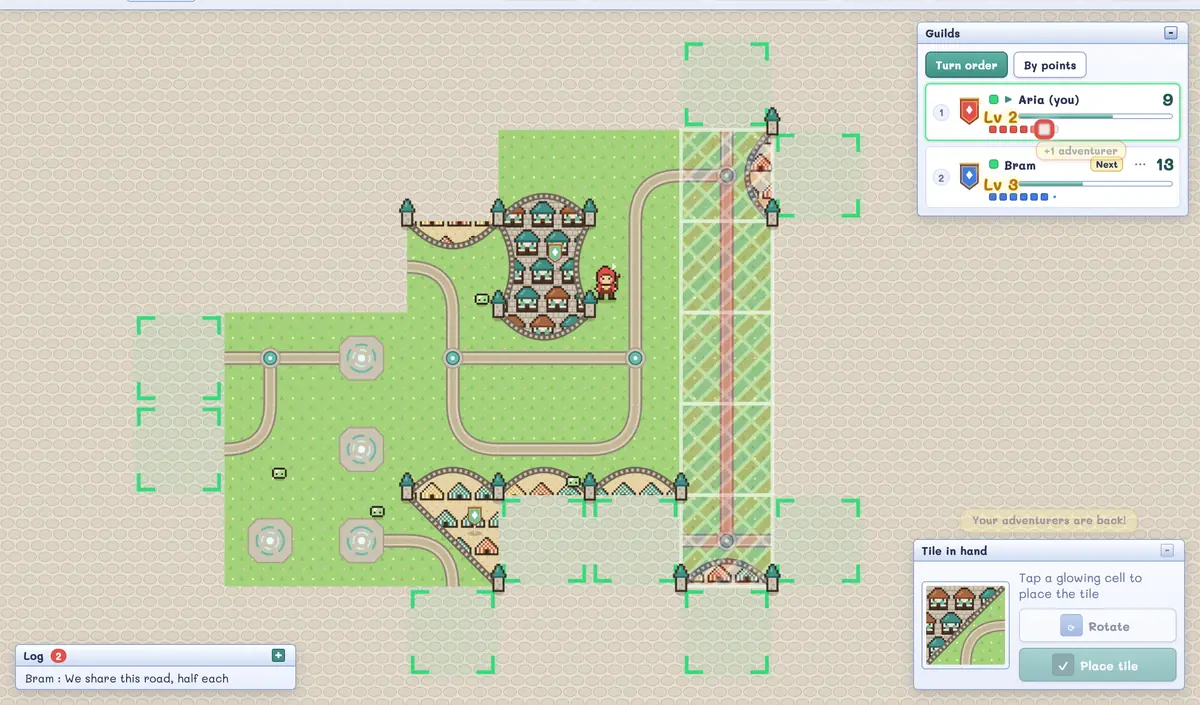
Want more variety?
Try the river start option for a different opening, or gather friends online and test these ideas for yourself.
Play now Free · 2–5 players · no download, no sign-up